
Removals · Guide
How to pack clothes for moving house
Clothes are awkward to pack because you’re still wearing them right up to the move. You don’t need specialist boxes for every T-shirt, but a suit or favourite dress deserves a little more thought. A mix of boxes, suitcases and hanging protection usually makes more sense than putting everything in the same bag.
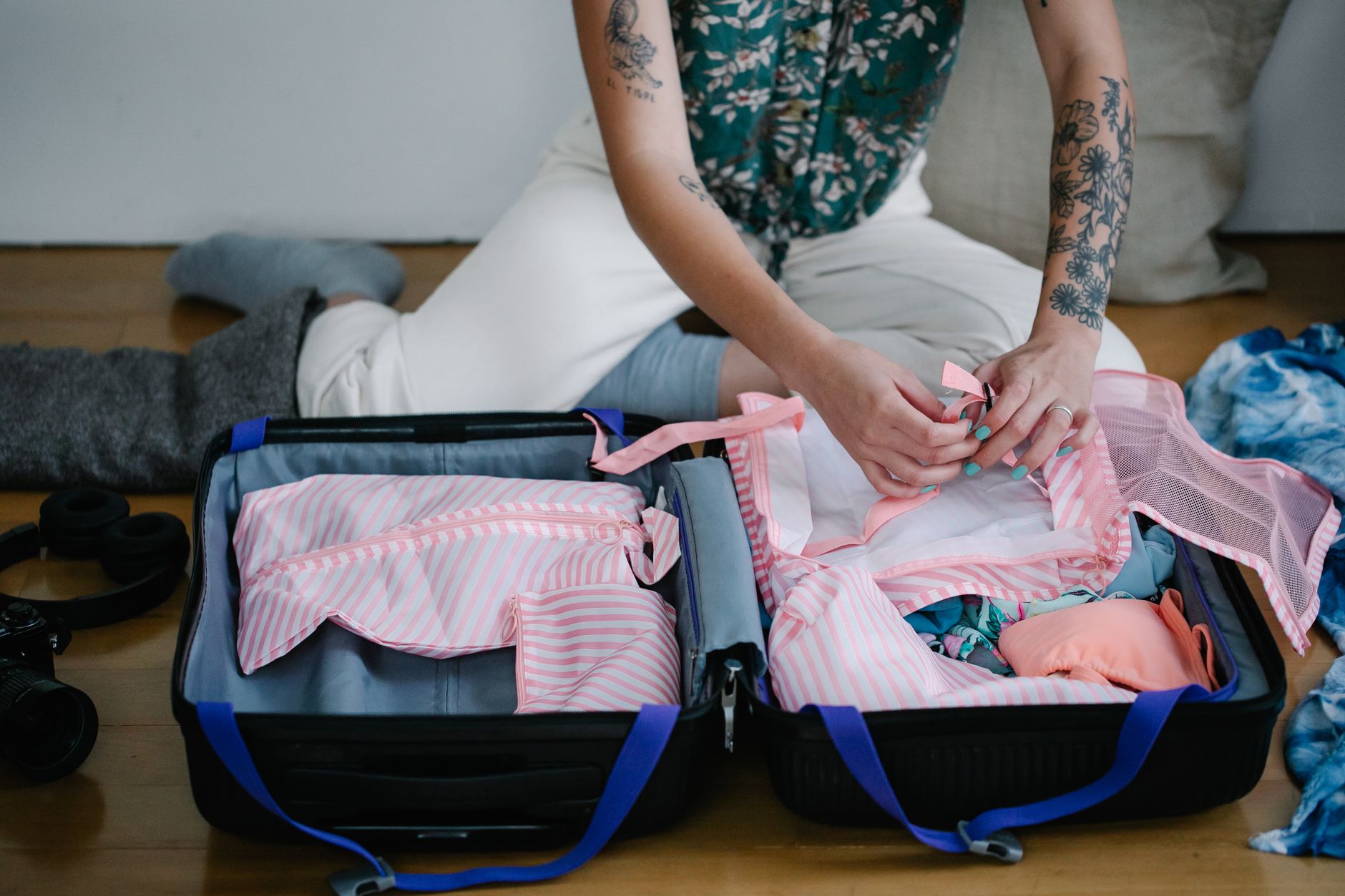
Boxes, suitcases or wardrobe boxes?
Ordinary moving boxes and suitcases suit most folded clothes. Wardrobe boxes are useful for a smaller selection that needs to stay hanging. Please check what you already have before buying more: an empty suitcase can do a useful job here.
| Container | Useful for | What to check |
|---|---|---|
| Moving box | Folded tops, trousers, jumpers and other clothes that sit comfortably in a drawer. | Sound cardboard, a securely sealed base and a load you can handle. Close the flaps without compressing the clothes. |
| Suitcase | Everyday folded clothes, plus the clothes you want to unpack soon. | Clean lining, working handles and zips, and enough room to close it without forcing it. Wheels do not make a heavy case easy to carry upstairs. |
| Wardrobe box with a rail | Suits, shirts, dresses and other garments you prefer to keep hanging. | A suitable hanging rail, enough height for the garments and the supplier’s assembly and load instructions. |
| Sturdy zipped bag | Suitable casual clothes and other soft belongings. | Sound seams and handles, a secure zip and no sharp contents. Soft sides offer less protection against crushing. |
If you’re buying supplies, our moving-box buying guide explains the different sizes and specialist boxes.
Getting clothes ready to pack
Give washed clothes time to dry completely, including thick seams and pockets. Keep the clothes you’re still using separate from those you’re ready to pack.
Check pockets for keys, coins and anything you’ll need during the move. Set aside clothes that need repair or special cleaning so they don’t disappear into a sealed box. If several people are packing, keep each person’s clothes together and put their name on the container.
Still deciding what to take? The decluttering guide helps you sort out what to keep before you spend time packing it.
Packing folded clothes
You can keep most folded clothes grouped much as they were in the drawers. Work on a clean surface and pack one manageable box or case at a time.
Fold or loosely roll suitable clothes
Fold jumpers, trousers and other items that already store neatly that way. Loose rolls can suit casual T-shirts and similar clothes. Follow the care instructions for delicate garments rather than rolling everything tightly to squeeze it in.
Keep small items together
Put socks and underwear in a clean pouch or small bag within the main container. Keep each set of clothes together so you can find what you need without emptying the whole case.
Leave room to close the container
Arrange the clothes without forcing them against the sides. Stop before the box becomes awkward to carry or the case needs to be sat on to close. Spread the contents between containers if needed.
Label by person and contents
A label such as “Sam, bedroom, everyday clothes” tells you where it belongs and what is inside. Add “Open first” only to the clothes you actually want to unpack early.
For the base, tape and labels, follow our step-by-step moving-box packing guide.
Moving clothes on hangers
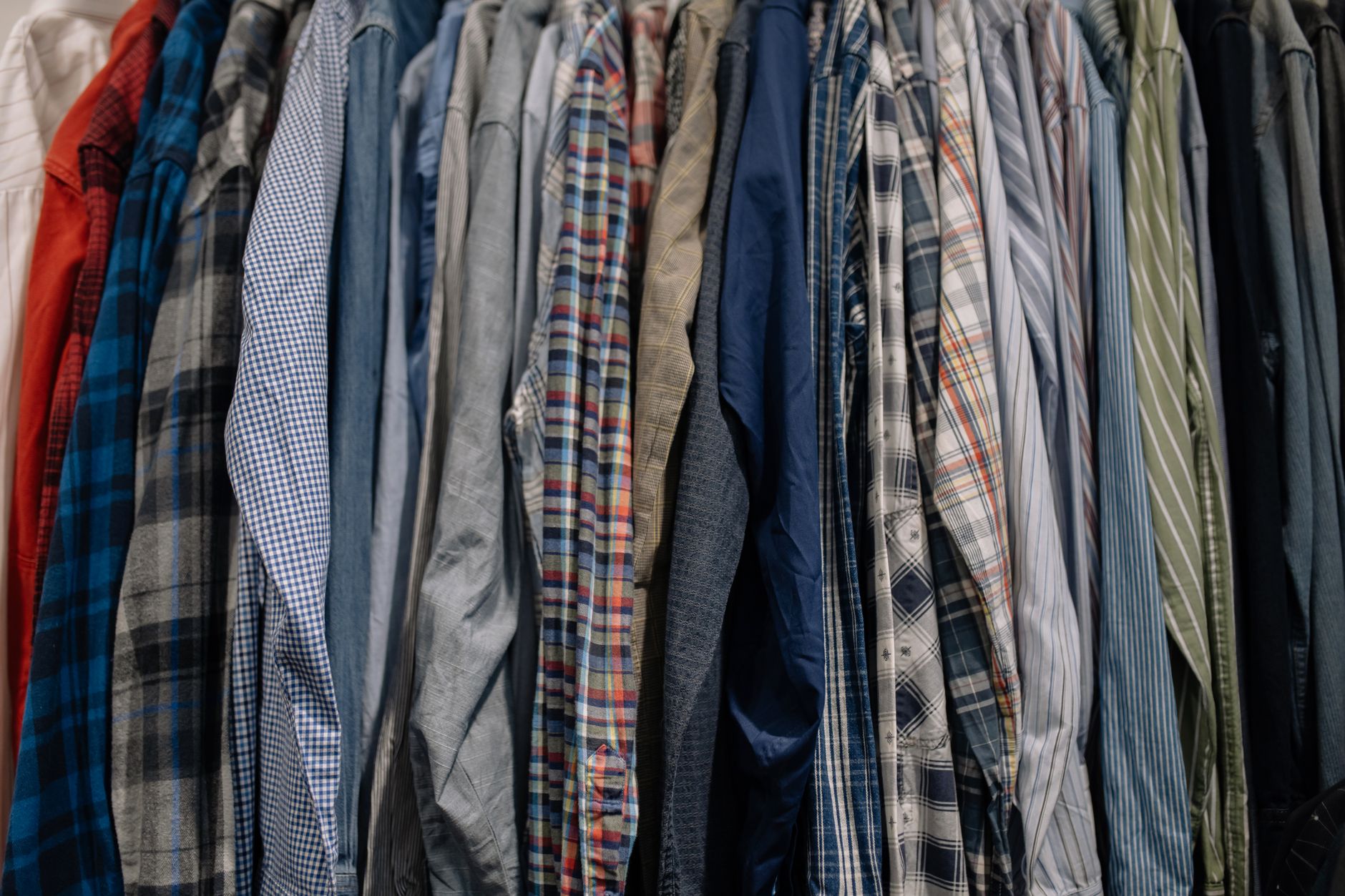
A wardrobe box with a fitted rail lets suitable garments stay on their hangers. Check its height against your longest clothes before buying, and confirm that the rail is included.
Assemble the box and fit the rail exactly as the supplier directs before adding clothes. Hang garments with space around the shoulders rather than pressing them tightly together. Long hems should fit inside without being crushed at the bottom, and the top should close freely.
Use appropriate garment protection for delicate pieces, following their care instructions. Don’t tuck heavy shoes or sharp accessories under hanging clothes. Mark the box to be kept upright and include it in the belongings you’re arranging to move.
Shoes, bags and small accessories
Pack accessories separately so soles, buckles and jewellery cannot catch on clothing. Small containers inside a labelled box make these pieces easier to keep track of.
Shoes and boots
Let shoes dry fully after cleaning. Use their original boxes if you have them, or wrap each shoe separately in clean packing paper. Lightly fill toes with paper where suitable to help hold their shape, without forcing it in. Protect the pairs in a separate box or suitable bag.
Handbags and belts
Empty handbags and check the small zipped pockets. Use a clean dust bag or suitable wrapping, and support a shaped bag without overstuffing it. Roll suitable belts loosely and keep buckles covered and separate from delicate surfaces.
Jewellery and watches
Use individual pouches or a compartmented case to keep costume jewellery apart. Fasten necklace clasps before putting each piece away. Keep valuable jewellery and watches with you, rather than in the boxes being collected.
Are vacuum bags useful for a move?
Vacuum bags can reduce the space taken up by suitable clothes, but they do not reduce the weight. Use them for clean, fully dry items that can tolerate compression, following both the bag instructions and the garment-care guidance.
Packmate’s guidance advises against using them for silk, leather, suede and structured or embellished garments. Down-filled clothing also needs care, so check the garment maker’s advice before compressing it. Protect filled bags from sharp edges and avoid prolonged compression where the clothing instructions advise against it.
The clothes to keep with you
Keep a small bag for the journey and your first evening separate from the belongings being collected. Include enough clothes for the period before you expect to unpack, with a little spare if the plans change. Your work or university timetable may decide what needs to be easiest to reach.
For the other things to carry with you, including medicines and documents, use the student moving checklist. If you’re moving a whole home, the moving house checklist covers the wider preparations.
Our packing timeline helps you plan the clothes and other belongings you can pack early.
Moving to halls, a shared house or back home? Student Removals connects you with vetted independent moving partners for securely packed belongings and furniture. For the contents of a multi-room home, House Removals uses a custom quote for the household move.