
Removals · Guide
When should you start packing for a move?
Ready to make a start, but still need to live in your home until moving day? You can get plenty packed without losing access to the things you use every day.
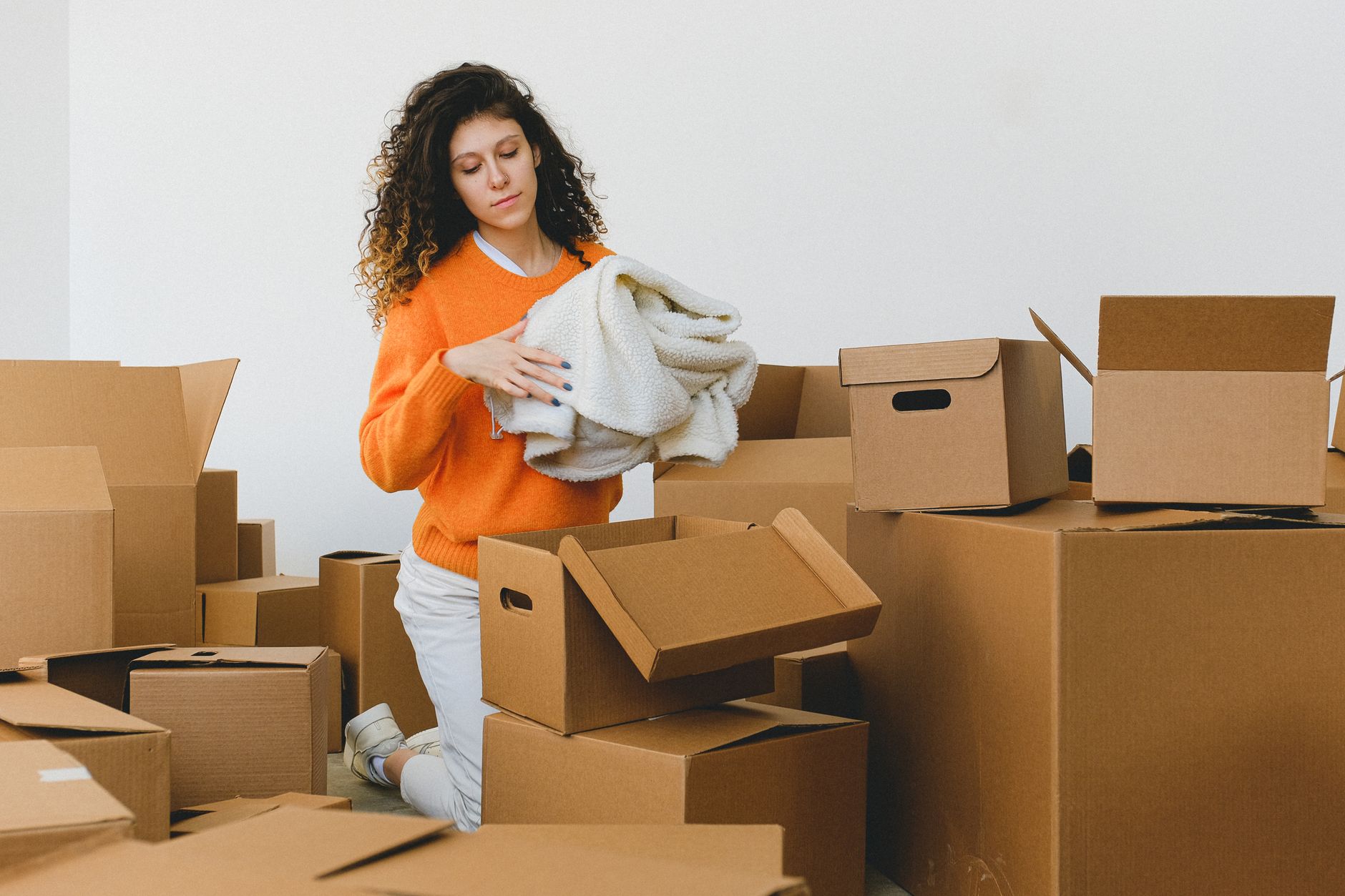
How much time should you allow for packing?
Allow for the time you can actually spend packing, rather than counting the days until the move. Three weeks of evenings around work is very different from three weeks with several full days free.
The amount in your cupboards matters more than the number of bedrooms. A spare room with a bed and wardrobe may be straightforward; a kitchen full of glassware needs more wrapping. Please give yourself extra time for stored belongings, fragile pieces and anything you need help to reach or lift.
You don’t need to box up the whole house at once. Urban Locker suggests starting about a month ahead, while Simon Long’s packing timeline starts stored and seasonal belongings earlier. Both approaches leave everyday items until later.
If you also need to arrange utilities, address changes and the key handover, use the moving house checklist. Those jobs have their own timing; this packing plan covers your belongings.
What should you pack first?
Pack the things you’re least likely to need before moving day. Seasonal decorations and spare bedding can usually go early; your kettle and work laptop probably can’t.
Use the timeline below as a guide and adjust it to your household. If you bake every week, keep your baking equipment out. If you haven’t touched it for months, it can go in an early box.
| When | Pack these | Keep these accessible |
|---|---|---|
| Around 4–6 weeks before | Seasonal decorations, books you’re not reading, spare bedding and clothes you won’t wear before the move. | Anything you might need if the weather changes, plus tools for the packing itself. |
| Around 2–3 weeks before | Most ornaments, extra crockery, hobby supplies and spare towels. Work through one cupboard or shelf at a time. | Your work kit, everyday clothes, a few plates and mugs, and the household’s favourite toys. |
| During the final week | Most remaining clothes and kitchen contents. Wrap the glasses and dishes you can now do without. | Enough for simple meals, daily toiletries, cleaning supplies and bedding still in use. |
| The last day and morning | The final everyday items once you’ve finished using them. Put first-night supplies in a separate, clearly marked box. | Keys, medication, paperwork, valuables and your phone with you, rather than in the main load. |
Label each box with its destination room and a useful description, such as “Bedroom: spare sheets”. Keep heavy contents in smaller boxes and check that the box can be carried safely before sealing it. Scottfraser’s packing advice also recommends clear room labels and separate essentials.
Can you start packing before you know the date?
You can start sorting and packing things you won’t miss while the date is uncertain. Keep anything you may need over the next few weeks easy to retrieve, rather than sealing up whole rooms.
It’s a useful time to decide what is coming with you, gather materials and label early boxes. Leave your everyday clothes and household basics in use. Once you have a clearer date, work backwards through the timeline and plan the remaining packing sessions.
If you’re buying or selling, ask the person handling the transaction about the likely timing. Packing is something you can prepare gradually; confirming a moving booking needs a separate conversation about dates.

What should you leave until the last day?
Leave out the things you need to sleep, wash, eat and get ready on moving morning. Put them aside now, so they don’t disappear into an ordinary box halfway through the week.
Separate the things travelling with you from the first-night supplies. Keys and medication need to stay close to hand. The kettle and bedding can go in a clearly marked essentials box, with its transport arranged so you can reach it when you arrive.
On the final morning, pack bedding after the beds are no longer needed and put away the breakfast things after use. Check drawers and cupboards once more, keeping cleaning supplies available until you’ve finished.
Only a week to pack? Start here
With a week or less, prioritise the belongings that take longest to sort or wrap and get help early if the remaining work is too much. The same packing order still applies, but you’ll need to do more in each session.
Set aside your essentials first
Put daily-use items and your personal bag somewhere separate. You can then pack the rest without repeatedly stopping to rescue things you still need.
Make a short list of what remains
List the cupboards, shelves and storage areas still to pack. Split the jobs between the time and people available. Include time to wrap fragile items and label boxes.
Finish manageable sections
Complete a cupboard or shelf before starting another. If someone can help, give them a clear job, such as packing books or labelling sealed boxes. Keep the paths through your home clear.
Check progress before the final evening
If there is too much left, speak to your moving provider promptly about the arrangements. Packing support, a different collection time or any change to the booking needs agreeing; don’t assume it will be available on the day.
For loading and unloading expectations, see how long moving day takes. Finishing your packing before collection helps avoid spending that time finding loose belongings.
Packing questions
Is two weeks enough time to pack for a move?
Should I pack one room at a time?
When should I dismantle furniture?
What if I have booked a packing service?
Ready to fill the cartons? Follow our box-packing steps for sealing, cushioning and labelling.