
Removals · Guide
How to declutter before moving house
It’s easy to put off sorting a cupboard until you have to pack it. Moving gives you a reason to look again, but you don’t have to make every decision in one afternoon.
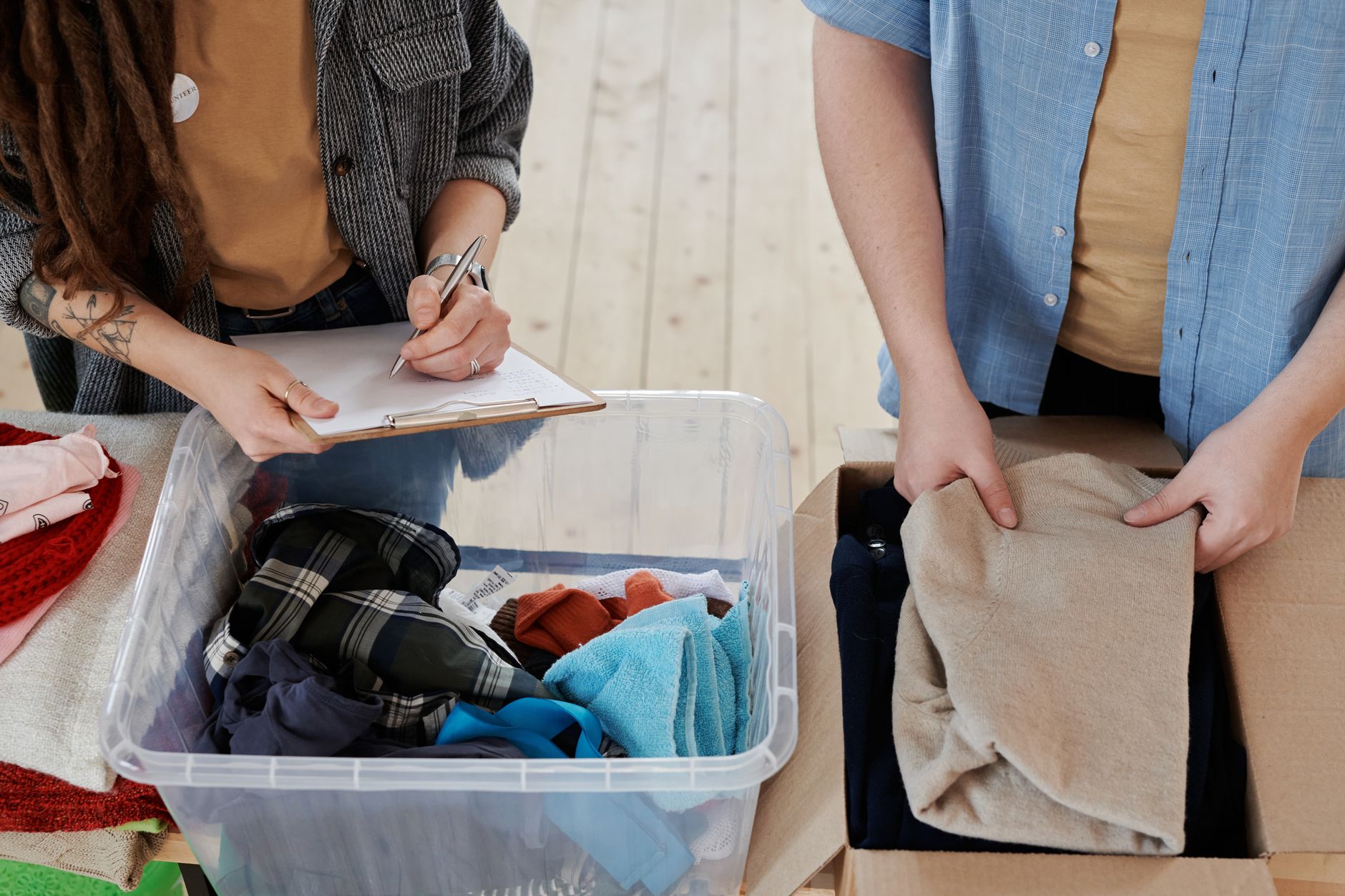
Where should you start decluttering?
Start somewhere you can finish in the time you have. A drawer of spare utensils is usually easier to sort than a box of family photographs. Getting one small area finished also leaves you with somewhere useful to put the things you’re keeping.
Please leave yourself time to put everything away at the end. Emptying every cupboard onto the floor can turn a short sort-out into a job you’re still stepping around days later.
Choose one manageable area
A shelf, drawer or small cupboard is enough for a first session. If you’re helping someone else, let them choose where to begin and make the decisions about their belongings.
Separate what stays from what goes
Use labelled bags or boxes for items to pass on. Keep the things you still use where you can find them. Leave walkways clear, particularly around stairs and doors.
Finish the handover as well as the sorting
Before finishing the session, decide who will take the donations, where they will go and when. Confirm any collection that needs booking.
If you have several weeks, repeat this in short sessions that fit around daily life. If time is tight, start with decisions that need another person involved, such as finding a buyer or arranging a furniture collection.
Will your furniture fit the new home?
Check larger furniture early too, because selling or donating it can take time. A wardrobe you no longer need or a dining table that won’t fit can take more time to pass on than a bag of clothes.
Measure the pieces you’re unsure about and compare them with the rooms, doorways and access at the new address. Think about how you’ll use the room too: fitting a table into a space doesn’t necessarily leave enough room to pull the chairs out.
If you’re downsizing, decide which pieces you most want to keep before filling the available space with everything from the old home. You don’t have to replace furniture just because you’re moving, but it helps to know where the larger pieces will go.
What is worth sorting before you pack?
Look for things you already know you don’t want, rather than trying to judge every possession against a strict rule. Duplicates, incomplete sets and things you no longer use are useful places to start. Seasonal equipment or a much-loved collection may still earn its place, even if you haven’t used it recently.
Sort household paperwork separately. Keep documents you need for the move in one place, and check what else you need to retain before shredding or recycling it. Don’t put another person’s papers or belongings into a disposal pile without asking them.
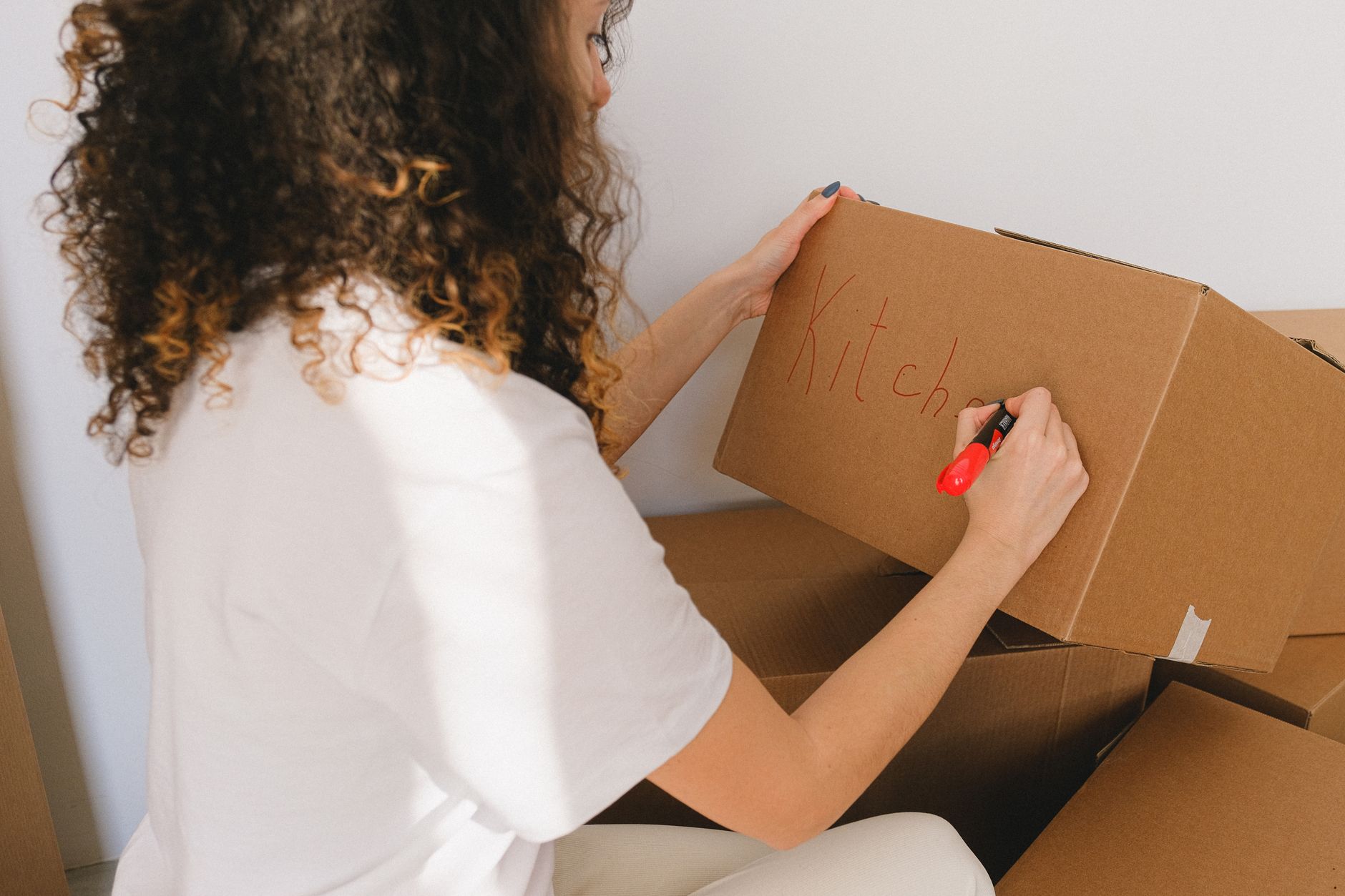
Should you sell, donate or recycle it?
Choose an option you can complete before the move. Selling can be worthwhile, but taking photos, answering messages and waiting for a collection all take time. Giving something away may suit you better when clearing space matters more than getting a small payment.
For furniture donations, please check the charity’s requirements before booking. The British Heart Foundation needs saleable items in working condition, with attached fire safety labels on upholstered furniture. Its collection form checks your postcode, and the local store then agrees a date. Other charities may have different rules.
If an item can’t be reused, Recycle Now’s moving-house advice helps you check disposal routes for furniture, textiles and electricals. Use its local recycling information or your council’s instructions for the actual item. Don’t assume everything can go in the ordinary recycling bin, or that bulky waste can be collected at short notice.
What about things you’re not ready to part with?
You don’t have to make a quick decision about every keepsake just because a move is coming up. Set sentimental belongings aside while you deal with the easier items, then give them time when you can concentrate.
A small, clearly labelled box for undecided items can help. Choose a date to look through it again, so it doesn’t become several unlabelled boxes. If you decide to keep something, allow for it in the packing and moving inventory.
For shared or inherited belongings, speak to the people concerned before passing them on. A photograph may be a useful reminder of an object you choose to let go, but it isn’t a reason to discard something that still matters to you.
If you need separate storage while you decide, check its cost, access and collection arrangements with the storage provider. Moving things into storage still needs organising; it isn’t automatically less work or cheaper than taking them to your next home.
Moving soon? Keep the clear-out manageable
With only a few days left, aim to remove the things you’re sure you don’t want. Leave the difficult personal decisions until you can give them proper attention. Avoid starting a major loft sort-out if you can’t safely finish it before collection.
- Separate documents, medication, keys and moving-day essentials first.
- Arrange one realistic drop-off or collection, rather than several uncertain handovers.
- Group items you’re giving away so the recipient knows exactly what is included.
- Keep anything with no confirmed destination in your moving inventory until the arrangements are settled.
Once you know what is coming, you can plan the packing. The packing timeline explains what to box up first and what to leave out.
For a smaller load, the Small Removals service lets you add your furniture and boxes to an online quote. If you’re moving a full household, use House Removals for a custom quote. Already booked? Please tell Porta if the belongings have changed, so any change to the arrangements or price can be agreed.