
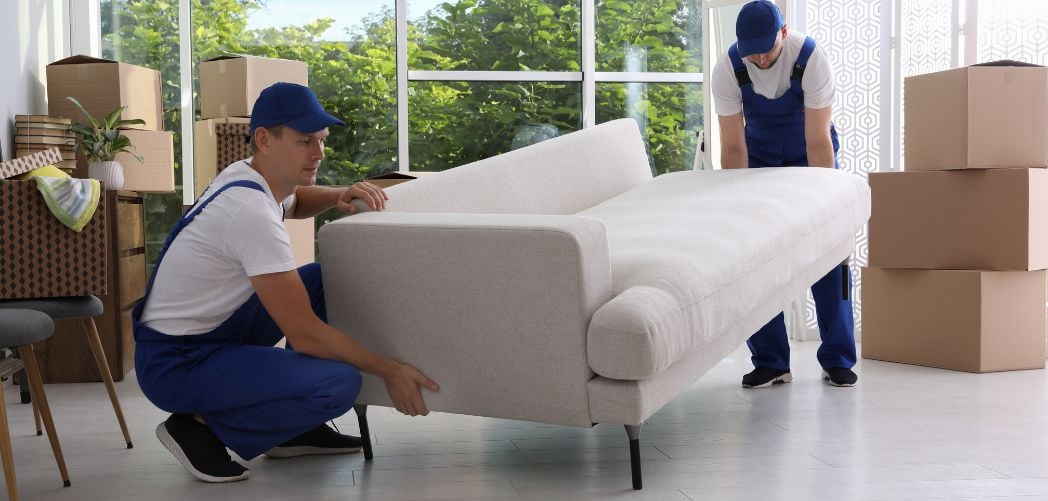

Moving large items can be tricky. Bulky or heavy goods need specialised handling and the right vehicle to reach their destination safely.
If you just want a price, head straight to Porta's large item delivery service for an instant quote in 10 seconds.
This guide covers everything else, including how to choose the right courier, how to prepare your items, what affects pricing, and what to watch out for.
Let's get straight into it
Quick Summary
A top option for large item delivery in the UK is Porta Delivery's large item courier service.
This crowd-sourced option utilises drivers already planning the trip which will help you save money and also lower emissions.
Porta's platform is built specifically for oversized goods, connecting you with experienced independent drivers who handle collection and delivery of whatever you need moving.
To cement this fact further you can check out these amazing reviews on Trustpilot.
For more information including tips and tricks on how to prepare large items for delivery, please read on.
What is a Large Item Courier?
Large item couriers play a crucial role in the logistics industry, filling a gap that standard postal services can't address.
They handle items that most people would find challenging to move, such as furniture, industrial equipment, or speciality artwork.
These couriers often employ specialised vehicles and equipment, like tailgate lifts or padding materials, to ensure safe transport.
In addition to this, they typically offer a more personalised service, working closely with clients to coordinate pickup and delivery times, navigate potential obstacles, and provide the care needed for valuable or delicate large items.
What Goods Are Suitable for Heavy & Large Item Delivery?
The suitability of goods for large item delivery is often determined by a combination of factors, including size, weight, fragility, and economic considerations.
When does it make more sense to use a specialised large item courier over standard postal services?
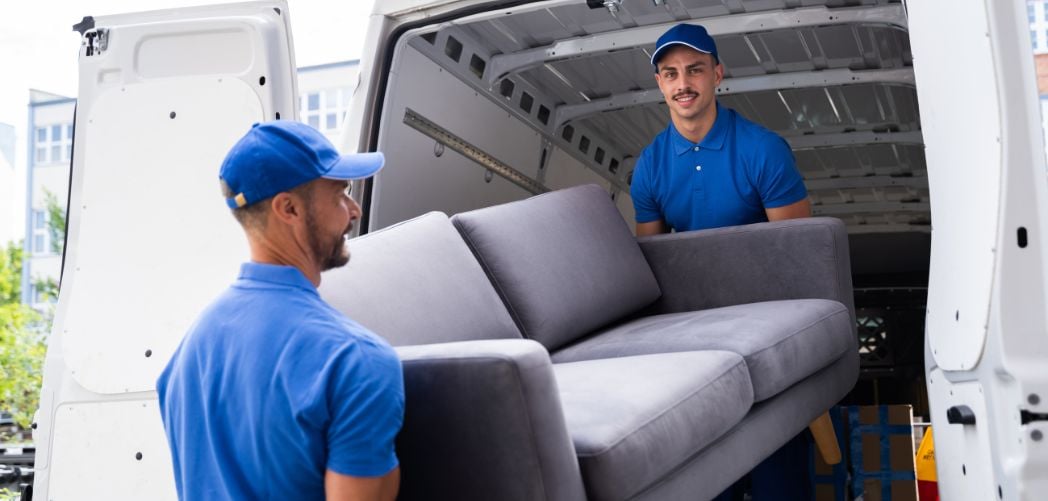
Moving sofas is a popular service with large item couriers like Porta
How To Pick The Best Large Item Courier For Your Needs
Choosing the right large item courier requires careful consideration of your specific requirements and the services offered.
Traditional large-item couriers typically provide a range of options to cater to diverse needs, but it's crucial to evaluate these against your priorities.
Standard Delivery is often the most economical choice for those who aren't in a rush. This service is ideal for items that aren't time-sensitive and when budget is a primary concern. However, do bear in mind that 'standard' doesn't mean 'basic' - reputable couriers still handle your items with care and professionalism.
For those facing tighter deadlines, Express Delivery services can be a lifesaver. These expedited options often come with guaranteed delivery dates and times, which can be particularly valuable for business-critical shipments or when coordinating deliveries with other events, such as moving house.
White Glove Service represents the pinnacle of large-item delivery. This premium option is perfect for high-value, delicate, or complex items. The service typically encompasses everything from custom packing at the point of origin to unpacking and assembly at the destination. It's particularly beneficial for antiques, fine art, or tech equipment that requires expert handling.
When selecting a courier, consider factors beyond just the service type. Look at their track record for punctuality, their insurance offerings, and their approach to customer service.
Don't hesitate to ask about their experience with items similar to yours. Remember, the cheapest option isn't always the best value - weigh the potential risks against the cost savings.
Lastly, consider any specific requirements you might have. Do you need storage options? Are there access issues at the delivery location? A good large item courier should be able to accommodate these needs and provide tailored solutions.
Crowdsourced Delivery As An Option
Crowdsourced delivery has emerged as an innovative alternative in the logistics landscape, disrupting traditional courier services with its flexible, technology-driven approach.
This model leverages a network of independent drivers, often already planning journeys, to connect with individuals needing transportation services. It's a prime example of the sharing economy applied to logistics.
The appeal of crowdsourced platforms lies in their agility and cost-effectiveness. They often provide competitive pricing due to lower overheads, and their large driver networks enable impressive flexibility in scheduling.
This can be particularly advantageous for last-minute or non-standard delivery needs that traditional couriers might struggle to accommodate.
However, the decentralised nature of crowdsourced delivery comes with its own set of challenges. The variability in service quality can be a significant concern, as independent drivers may not adhere to the same rigorous standards as professional couriers.
Moreover, insurance coverage can be a grey area, potentially leaving valuable or fragile items at risk.
Platforms like Porta Delivery mitigate these risks through a rigorous vetting procedure and robust onboarding process. You can get an instant quote for large item delivery on Porta's platform.
When it comes to choosing the right courier, whether traditional or crowdsourced, it's crucial to weigh multiple factors:
Reputation is paramount. In the age of online reviews, it's easier than ever to gauge a courier's track record. Look for consistently positive feedback, particularly regarding reliability and care in handling items.
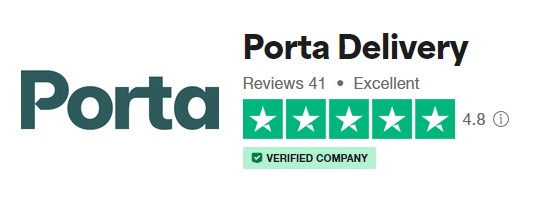
Positive Reviews Are An Important Consideration When Choosing A Large Item Delivery Courier
Specialisation can make a significant difference, especially for unique or high-value items. A courier with experience in handling similar goods is more likely to provide appropriate care and expertise.
Insurance and liability coverage should be thoroughly scrutinised. Understand what's covered, what's not, and under what circumstances. This is particularly critical for valuable or irreplaceable items.
Price, while important, shouldn't be the sole determining factor. It's essential to balance cost with the level of service and protection you require. Sometimes, paying a bit more can provide peace of mind and potentially save money in the long run by avoiding damage or loss.
White glove services, while typically more expensive, offer a premium experience with comprehensive care from packing to unpacking. This can be ideal for those prioritising careful handling over cost.
Crowdsourced options, on the other hand, can offer significant savings and flexibility, making them attractive for those comfortable with a more hands-on approach and willing to accept some variability in service.
Traditional couriers often strike a balance between these extremes, offering reliable service at moderate prices.
Ultimately, the best choice depends on your specific circumstances, priorities, and risk tolerance.
Consider carefully what matters most to you - be it price, handling care, flexibility, or insurance coverage - and choose accordingly.
Preparing Your Large, Heavy Items For Delivery
Proper preparation of large, bulky items for delivery is crucial for ensuring their safe transport. While the awkward nature of these items often means they're shipped unboxed, minimising packaging requirements, there are still several important steps to consider:
Route Assessment:
It's essential to thoroughly evaluate the path your items will take from their current location to the delivery vehicle. This seemingly obvious step is often overlooked, leading to last-minute complications.
Measure doorways, hallways, and staircases to ensure your items can pass through without issue. Consider potential obstacles like tight corners or low-hanging light fixtures. If you're on an upper floor, check if lifts can accommodate your items or if alternative routes are necessary. This forethought can save time and prevent damage on moving day.
Disassembly for Efficiency:
Breaking down large items into smaller components can significantly ease the moving process. For furniture, this might mean removing drawers from chests, detaching table legs, or dismantling bed frames.
Not only does this make items lighter and easier to manoeuvre, but it also reduces the risk of damage to both the item and your property during transit. However, ensure you keep track of all parts and hardware - small pieces can easily go missing in the hustle of a move.
Secure Detached Components:
For any items you've disassembled, it's crucial to keep all parts together. A practical approach is to securely tape smaller components directly to the main body of the furniture. For instance, sofa legs can be wrapped and taped to the underside of the sofa.
For items with numerous small parts, consider using sealable plastic bags, labelling them clearly, and attaching them securely to the main item.
This approach helps prevent loss and ensures everything arrives together at the destination.
Labelling for Multi-Item Moves:
If you're undertaking a larger move involving multiple items, such as a home removal or office relocation, a robust labelling system is invaluable. Remember that your items may be transported alongside those of other customers, so clear identification is crucial.
Use durable labels or tags that won't easily detach during transit. Include essential information such as your name, destination address, and any specific handling instructions. For multi-room moves, consider colour-coding labels to indicate which room each item belongs in at the destination.
Protect Vulnerable Areas:
While large items often don't require full boxing, it's wise to provide extra protection for vulnerable areas. Use bubble wrap, blankets, or foam padding to safeguard corners, edges, and delicate surfaces. Pay special attention to items with glass components or fragile finishes.
Communicate with Your Courier:
Lastly, don't hesitate to communicate any specific concerns or requirements to your chosen courier. They may have additional advice based on their experience or specific policies regarding item preparation.
Clear communication can help ensure your items receive the appropriate care and handling throughout the delivery process.

Disassembling large items will make it easier to deliver
Cost Factors
Understanding the various factors that influence the cost of delivering large items is crucial for both businesses and individuals seeking to manage their logistics expenses effectively.
While prices can vary significantly, several key elements consistently impact the final cost. Let's delve deeper into these factors, roughly ordered by their importance and impact on pricing:
Distance:
The geographical span between the pickup and delivery points is typically the most significant cost determinant. Longer distances naturally incur higher fuel costs, require more time, and often involve multiple handling points or transfers.
Cross-country or international shipments are generally more expensive than local or regional deliveries. Some couriers may use a zone-based pricing system, where costs increase as items move through different zones.
Size:
The physical dimensions of an item play a crucial role in pricing. Larger items occupy more space in delivery vehicles, reducing the courier's capacity to transport other goods simultaneously.
This opportunity cost is reflected in higher prices for bulkier items. Moreover, oversized items may require specialised vehicles or handling equipment, further increasing costs.
Couriers often use dimensional weight calculations, considering both the actual weight and the space an item occupies, to determine pricing.
Weight:
While often correlated with size, weight is an independent factor in cost calculations. Heavier items require more fuel to transport and may necessitate additional manpower or equipment for loading and unloading.
This increases both the operational costs and potential risks associated with handling. Some couriers may have weight thresholds beyond which surcharges apply.
Service Type:
The level of service selected can significantly impact the final cost. Standard delivery services are typically the most economical option, suitable for non-urgent shipments.
Express or expedited services, which guarantee faster delivery times, come at a premium.
White glove services, offering comprehensive care from packing to assembly, represent the higher end of the pricing spectrum. These premium services often include additional insurance coverage and specialised handling, reflecting their higher cost.
A middle-of-the-road option could be a local man and van service, especially if the item being delivered isn't travelling far. This sort of service can often be found in local advertising journals or social media pages.
Additional Factors:
While the above are the primary cost drivers, several other elements can influence pricing:
Fragility: Delicate items requiring extra care in handling and packaging may incur additional charges.
Insurance: Higher levels of insurance coverage for valuable items will increase the overall cost.
Accessibility: Difficult-to-reach locations or those requiring special access (e.g., narrow streets, upper floors without lifts) may incur surcharges.
Seasonal Demand: Prices may fluctuate based on peak shipping periods or seasonal demand.
Fuel Surcharges: Some couriers apply variable fuel surcharges that can affect the final price.
Additional Services: Options like packaging, storage, or specific delivery time slots can add to the base price.
Understanding these cost factors can help in making informed decisions when choosing a courier service.
It's often worthwhile to obtain quotes from multiple providers, as pricing structures can vary.
Additionally, some factors, such as timing of shipment or level of service required, may be flexible, allowing for potential cost optimisation.
Remember, while cost is an important consideration, it should be balanced against the level of service, reliability, and protection offered by the courier, especially when dealing with valuable or delicate large items.
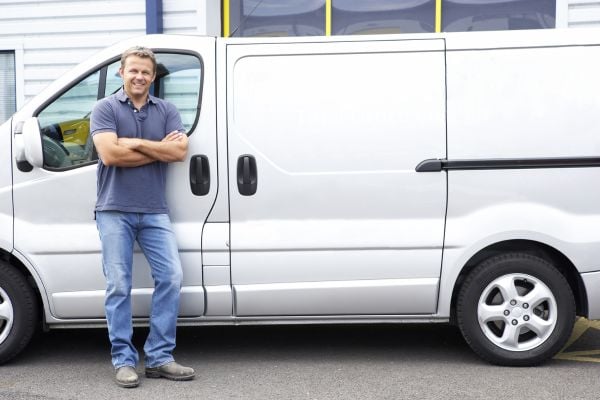
A man and van service can sometimes be a good local solution for delivering large items
Large Item Couriers: Frequently Asked Questions
Here are some of the most frequently asked questions we get asked about delivering large items:
1. How should I disassemble furniture before courier collection?
Remove any detachable parts like table legs, shelf brackets, and sofa feet. Wrap smaller components in bags, label them clearly, and tape them securely to the main item so nothing gets separated during transit.
2. Do I need to package large items before a courier collects them?
It depends on the item. Most large item couriers handle unboxed goods using blankets, straps, and padding. But if your item has glass panels, a polished surface, or delicate edges, wrapping those areas in bubble wrap or foam beforehand is worth doing.
3. What should I measure before booking a large item delivery?
Measure the item itself plus every doorway, hallway, and staircase it needs to pass through. Check lift dimensions if you're on an upper floor. Forgetting this is one of the most common reasons for delays on collection day.
4. Is it worth paying more for a white glove courier service?
For high-value, fragile, or antique items — usually yes. White glove services typically include custom packaging, careful handling, and placement at the destination. For everyday furniture or appliances, a standard large item courier is normally sufficient.
5. What's the difference between a crowdsourced courier and a traditional one?
Traditional couriers run dedicated fleets with fixed routes. Crowdsourced platforms like Porta connect you with independent drivers who already have space on journeys they're making. This usually means lower prices and more flexible scheduling, though service standards vary by platform.
Why Porta Delivery as a Large Item Courier?
Porta Delivery provides a crowdsourced courier delivery platform that matches you with movers who are already planning the journey. Porta has three main benefits vs other companies:
1.) Lowest prices due to the crowdsourced model; drivers will have other items in their van, lowering the cost per item
2.) Neutral emissions as drivers are making the journey anyway
3.) Fast and easy-to-use platform
Why not get an instant price today!