
Removals · Guide
Moving house with pets
You may be able to leave your pet with someone they know, or you may need to keep them with you throughout moving day. Either way, their care needs to fit around the journey and the handover of both homes. Here’s what to arrange before you move and how to help them settle afterwards.
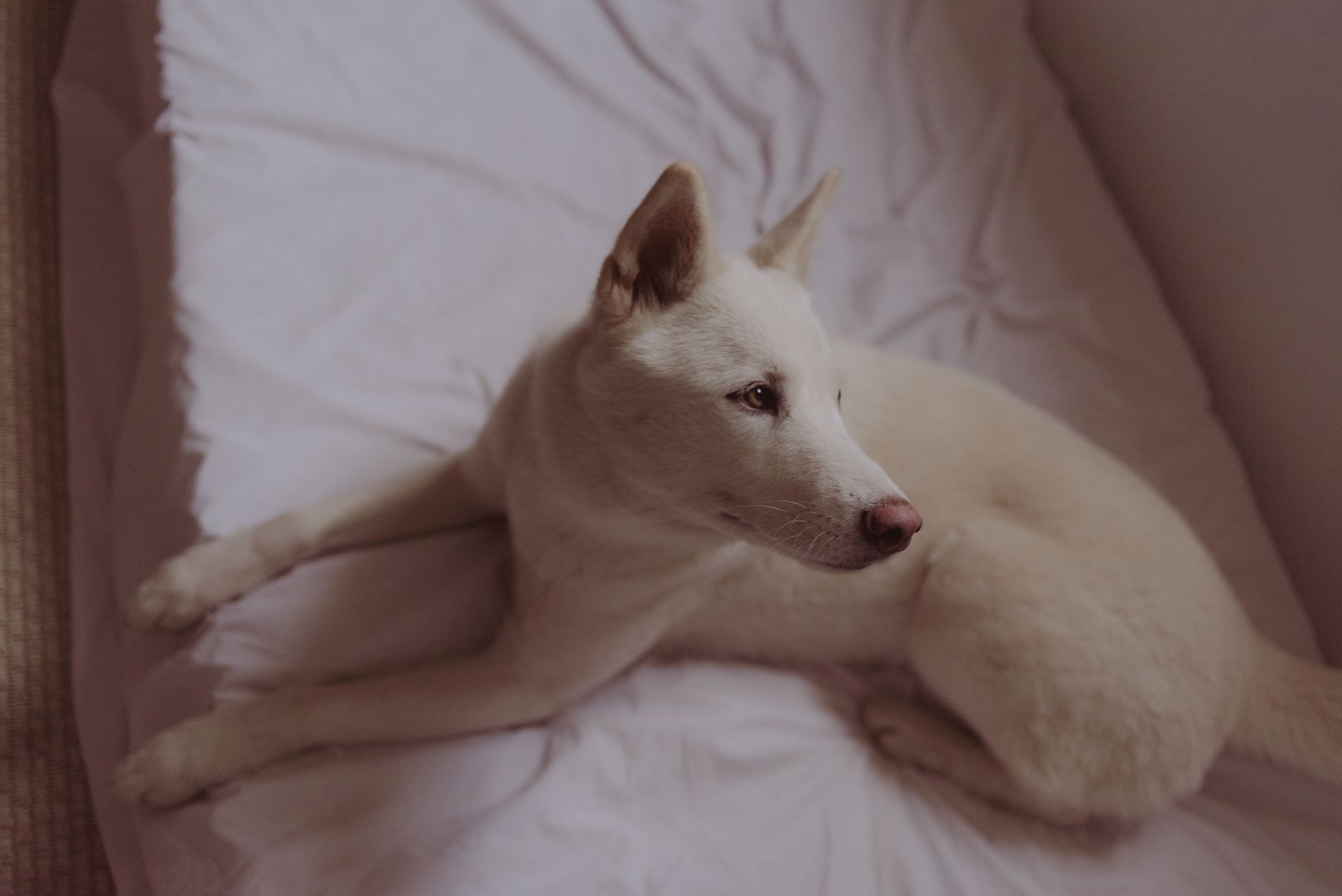
Where should your pet stay on moving day?
Think about how your pet usually responds to visitors, noise and time away from you. Staying with someone they know may be easier than remaining in a busy house, but an unfamiliar place can bring its own difficulties. Cats Protection’s moving advice discusses these choices for cats.
| Care option | When it may help | What to arrange |
|---|---|---|
| A trusted friend or relative | Your pet is comfortable with that person and the place they will stay. | Agree drop-off, collection and care instructions, including what happens if you get the keys late. |
| Suitable boarding | You need care away from both homes during a longer or more complicated move. | Check suitability, availability and the provider’s health or vaccination requirements beforehand. |
| A quiet room at home | You have a secure room away from the loading route, and someone can keep checking on your pet. | Clear the room of anything being loaded, keep the door closed and tell everyone it must stay closed. |
Match the arrangement to your pet rather than choosing on convenience alone. If you are unsure, ask your vet. PDSA’s advice on moving with pets also covers planning care away from the activity.
What to arrange before the move
You will have plenty to do once packing gets going, so agree your pet’s care early. Write down who is responsible for them at each stage, especially if one person will be at the old house while another collects the keys.
- Prepare for the journey. Give your pet time to become familiar with a suitable carrier or travel arrangement. Speak to your vet about travel concerns or ongoing health needs.
- Check contact details. Arrange updates to microchip records, ID tags and insurance where applicable. If you are moving out of your vet’s area, organise registration and records with a practice near the new home.
- Plan a space at both addresses. Decide where your pet can stay while furniture is being carried out and brought in. Keep their bedding and essential supplies accessible.
- Allow for a delayed handover. Check that the carer or boarding provider can help if access takes longer than expected. Keep their number with your moving paperwork.
Vets4Pets’ dog-moving advice explains preparing for travel and updating care arrangements. For the rest of the household jobs, use our moving house checklist.
Keeping pets clear of the loading
If your pet is staying at home, make sure everyone knows which room they are in before the loading begins. Put a clear notice on the door and tell the moving partner that the room is not part of the carrying route. A closed door offers little protection if someone opens it to collect a forgotten box.
Give one person responsibility for checking on your pet and deciding when they can leave the room. Make sure your pet has water and the familiar things they need, with care suited to the animal. Keep windows and other escape routes secure too.
Purina’s cat-moving guide explains using a quiet room and letting the moving team know where your cat is. Keep the same clear arrangement when you reach the new home.
Planning your pet’s journey
Arrange your pet’s travel separately from the household removal. If they are travelling in your car, use a suitable restraint, such as an appropriate carrier, guard or harness. Rule 57 of the Highway Code says animals should be restrained so they cannot distract you or cause injury during driving or sudden braking.
Follow the travel equipment’s fitting instructions and keep your pet secure when opening doors. For a longer journey with a dog, plan suitable stops for water and toileting. Never leave a dog alone in a parked car. Dogs Trust’s moving-home advice covers these travel precautions.
Ask your vet about feeding, medication or care during travel if you are unsure. Advice for a dog does not automatically suit a rabbit, bird or other animal. If your pet needs specialist transport, confirm that arrangement before booking the household move.
Helping pets settle into the new home
Give your pet a safe place to start while the house is still being unpacked. There is no need to introduce every room at once. Familiar belongings and everyday routines can help, but each animal will respond differently to the change.
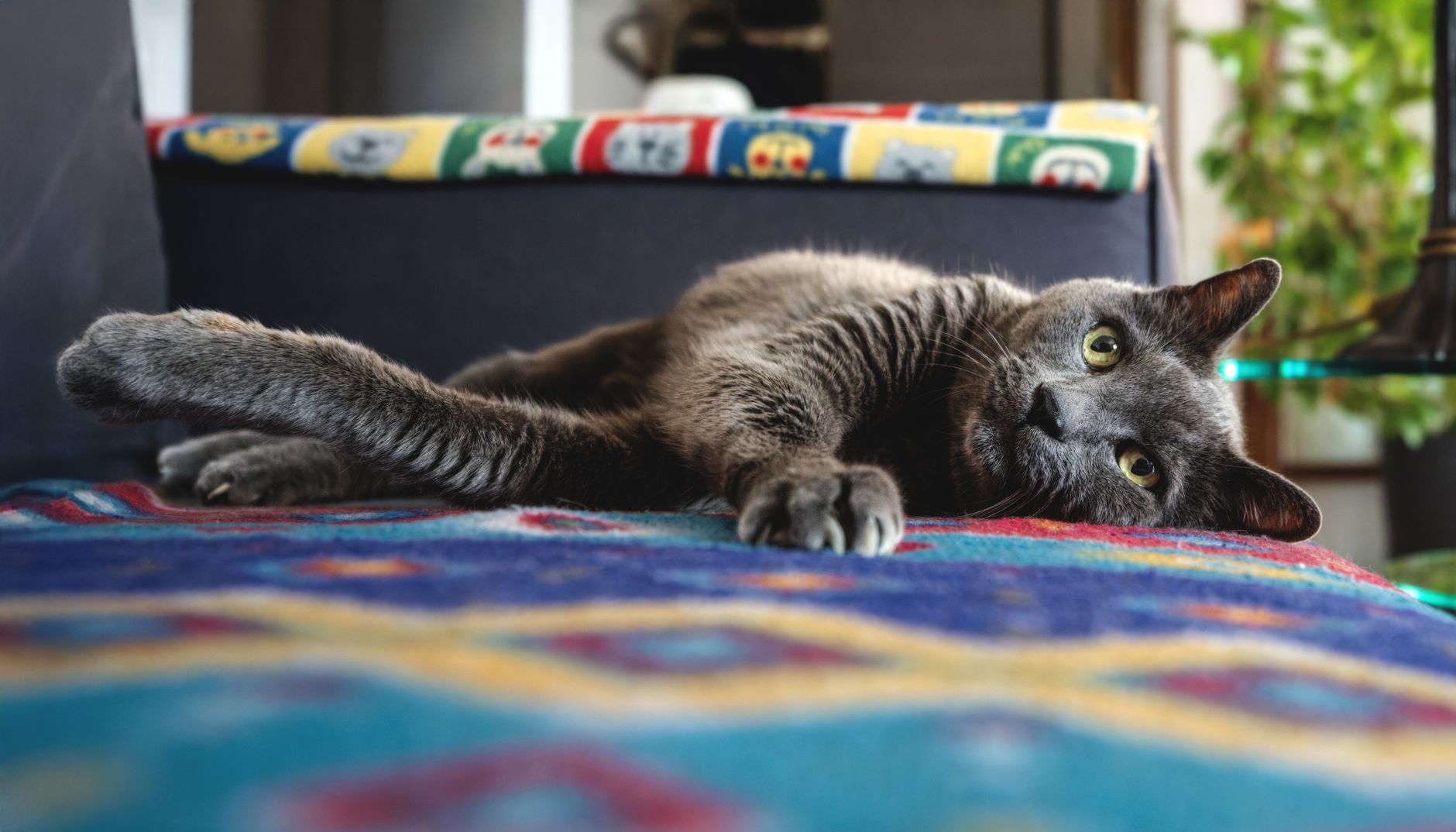
Helping your cat settle in
Start in a secure, quiet room with familiar bedding, somewhere to hide, food, water and a litter tray. Let your cat explore more of the house gradually, once the carrying is finished and doors and windows are secure.
For cats that normally go outside, Cats Protection recommends at least three weeks indoors. Wait longer if your cat has not settled. Make the first outings short and supervised, without forcing them to go out.
Helping your dog settle in
Keep meals, walks and rest as familiar as you can. Let your dog explore at their own pace and check gates and fencing before giving them access to the garden. If you are worried about how they are coping, speak to your vet. Dogs Trust advises allowing time and keeping routines consistent; a fixed number of days will not suit every dog.
Rabbits and other pets
For indoor rabbits, prepare a suitable secure enclosure with familiar bedding and hiding places. Protect accessible cables and check for unsafe plants or materials before letting them explore. The RSPCA’s indoor rabbit advice explains making the home suitable.
Guinea pigs, birds, fish and reptiles have different housing and travel needs. Get advice from your vet or a qualified specialist for the animals you keep, particularly if their accommodation, heating or equipment needs to be moved. Have the appropriate set-up ready before they arrive.