
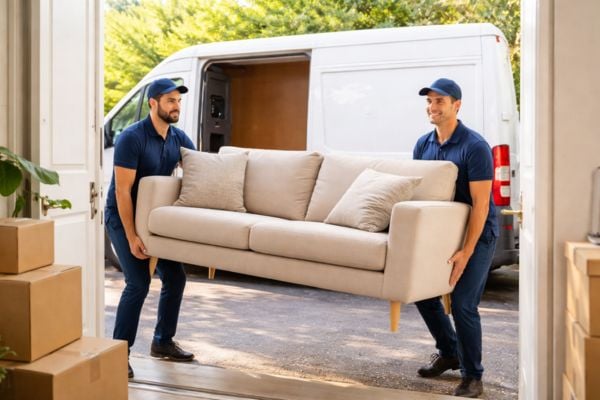

Buying furniture online has never been easier. Actually getting it to your house? That's where things get complicated. You've found the perfect sofa on Facebook Marketplace or spotted a dining table on eBay, and now you're staring at the seller's address wondering how on earth you're supposed to get a three-seater from Sheffield to Southampton.
Door-to-door furniture delivery solves this problem, but only if you know how to arrange it properly. Get it right and your new wardrobe arrives intact at a reasonable price. Get it wrong and you're paying twice because the first courier turned up in a Fiesta and couldn't fit a chest of drawers through the door.
Here's everything you need to know about arranging furniture delivery in the UK, from what it actually costs to how to avoid the common mistakes that catch people out.
What Door-to-Door Furniture Delivery Actually Means
Door-to-door furniture delivery is straightforward in concept. A driver collects the furniture from one address and delivers it to another. No depots, no collection points, no asking you to carry a sofa bed to the nearest ParcelShop.
The reality varies depending on who you book with. Professional furniture courier services turn up with proper vans, blankets to protect items in transit, and two people to handle the lifting. Budget options might send one person in a transit van who expects you to help load at both ends.
Most proper furniture delivery includes collection from ground floor, transit with protective wrapping, and delivery to ground floor at the destination. Stairs, awkward access, and assembly are usually extra. Always check what's actually included in the quoted price before booking, because "door-to-door" can mean very different things to different companies.
Why You Can't Just Use Standard Parcel Couriers
Standard parcel services have size and weight limits that make them useless for furniture. Most cap out at 30kg and won't accept anything over 120cm in any dimension. Your dining table is instantly disqualified. Even if you could somehow squeeze a small item within their limits, parcel couriers aren't set up for furniture.
They don't have the right vehicles, they don't have protective materials, and they definitely don't have two-person teams for heavy lifting. Furniture needs specialist handling. A parcel courier throwing boxes onto a conveyor belt is not equipped to deal with a glass-topped coffee table or a solid oak wardrobe.
This is why furniture delivery is its own category. The vans are bigger, the handling is more careful, and the pricing reflects the fact that you're not just posting a birthday card to Birmingham.
⚠️ Size Matters
Always measure your furniture properly before getting quotes. That means height, width, and depth in centimetres. "It's a normal-sized sofa" tells a courier absolutely nothing useful and leads to nasty surprises at collection.
How Much Furniture Delivery Actually Costs
Furniture delivery pricing depends on size, weight, distance, and whether you need one person or two. A small armchair locally might cost £40-60. A three-seater sofa cross-country could run £100-200. Large items like wardrobes or king-size beds can easily hit £150-300 depending on how far they're travelling.
The distance makes a huge difference to the price. Moving a dining table 20 miles costs significantly less than moving it 200 miles, which seems obvious but catches people out when they're comparing quotes. A local delivery might be £50 while the same item going from London to Edinburgh costs £180.
Two-person teams cost more than single drivers, but they're essential for anything heavy or awkward. You can't expect one person to safely carry a wardrobe down stairs or navigate a corner sofa through a narrow hallway. Pay for the second person. It's worth it.
Some services charge by cubic metres or volumetric weight rather than flat rates. This works well if you're sending multiple items together, less well if you're just moving one piece. Always get a proper itemised quote rather than rough estimates based on vague descriptions.
Buying from Facebook Marketplace and eBay
Online marketplaces have made buying second-hand furniture incredibly easy, but delivery remains the awkward bit. Most sellers list items as collection only because arranging delivery sounds like too much hassle. This limits their buyer pool to people within driving distance, which is daft when proper courier services exist specifically for this.
As a buyer, you can arrange delivery yourself even when the seller hasn't offered it. You book the courier, give them the seller's address for collection and your address for delivery, and sort out payment directly with the courier company. The seller just needs to be available at the agreed collection time.
Services designed for marketplace collection and delivery handle this kind of transaction all the time. You provide both addresses when booking, they collect from the seller, and deliver to you. The seller doesn't need to do anything except be home when the van arrives.
Communication is crucial here. Let the seller know you're arranging professional collection, give them the collection date and time window, and make sure they understand they just need to hand the item over to the driver. Most sellers are perfectly happy with this arrangement once you explain how it works.
💡 Marketplace Tip
Book your courier before you've paid the seller. Get the collection date confirmed, then pay for the item. This way you're not stuck having paid for furniture that's sitting at someone else's house with no way to collect it.
What to Check Before Booking
Not all furniture delivery services are created equal. Here's what to verify before you hand over money.
Vehicle size. Make sure they're sending an actual van, not a bloke in a Mondeo. Luton vans work for most furniture. Transit vans handle smaller items. If you're moving multiple pieces or something particularly large, check the van capacity explicitly.
Number of people. One person might be fine for a small side table. Anything substantial needs two people minimum. Sofas, wardrobes, beds, dining tables - these all need two-person teams for safe handling.
Insurance coverage. Goods-in-transit insurance should be included. Check what value is covered as standard (often £50-100) and whether you need to purchase additional cover for expensive items. A £2000 designer sofa needs more than basic cover.
What's included in the price. Does ground floor to ground floor mean they'll bring it into your house, or just to your front door? Will they navigate stairs if needed? Do they provide blankets and straps for protection? These details matter enormously when the van actually arrives.
Timing and flexibility. Can you book a specific collection date or is it "within 48 hours"? Do you get a time window or just a vague promise of "morning"? The more specific the better, particularly if you need to coordinate with a seller or take time off work.
Preparing Furniture for Collection
Making collection easier for the driver makes the whole process smoother for everyone. A bit of prep work goes a long way.
Dismantle what you reasonably can. Bed frames come apart. Dining tables often have removable legs. Wardrobes might have detachable sections. The smaller you can make items, the easier they fit in vans and through doorways. Just keep all the screws and fixings together in a clearly labelled bag taped to the item.
Remove drawers from chests and dressers. They're heavy when full and they can slide out during transit, potentially damaging the piece. Take them out, wrap them separately if needed, and make everything lighter and safer to carry.
Clear a path to the item. Drivers shouldn't have to navigate through an obstacle course to reach your furniture. Move other items out of the way, open doors wide, and make sure there's a clear route from the furniture to the van.
If something's particularly delicate or has glass components, point this out to the driver when they arrive. Most will have blankets and straps, but knowing something needs extra care means they'll handle it appropriately from the start.
Dealing with Difficult Access
Not every property has a convenient drive-up-and-carry-through-the-front-door setup. Narrow stairs, tight hallways, flats without lifts - these all complicate furniture delivery and usually cost extra.
If you're on the third floor of a building with no lift, mention this when booking. Many services charge per floor above ground. It's not just being awkward - carrying a sofa up three flights of stairs is genuinely more work and takes more time.
Narrow doorways and tight corners sometimes mean furniture physically won't fit through certain routes. Measure your doorways and hallways if you're buying something large. A 90cm wide sofa will not go through an 85cm doorway, regardless of how optimistic you're feeling.
Some items might need to come through windows or be hoisted up balconies. This isn't standard delivery and requires specialist equipment and additional labour. If you suspect your furniture might need unconventional entry, discuss this with the courier company before booking rather than hoping they'll figure it out on the day.
Parking can also be an issue, particularly in city centres or residential areas with permits. If parking near your property is problematic, warn the courier in advance. They might need to park further away and carry items a longer distance, which affects timing and sometimes cost.
What Happens on Collection Day
You'll typically get a message on the morning of collection confirming the driver is on their way. Better services provide a one-hour window and send updates as they get closer. Budget services might just tell you "afternoon" and leave you guessing.
When the driver arrives, they'll assess the furniture and confirm it matches what was booked. If you've dramatically undersized something in your quote, there might be an issue here. This is why accurate measurements matter.
Professional furniture couriers will wrap larger items in blankets or protective padding and secure everything in the van with straps. This prevents damage during transit and stops items sliding around when the van moves. If you see furniture just being chucked in loose, that's a red flag.
You should get some form of collection confirmation - either a paper receipt or an electronic notification. This proves the courier company took possession of your furniture and what condition it was in at that point. Keep this safe in case you need to make a claim later.
Delivery and What to Check
At delivery, inspect your furniture before signing anything. Look for new damage that wasn't there when it was collected. Check all pieces arrived if you sent multiple items. Make sure drawers and doors still work properly.
If something's damaged, note this on any paperwork before signing and photograph the damage immediately. Most courier companies have strict time limits for damage claims (typically 24-48 hours). If you sign that everything's fine and then notice damage two days later, you'll struggle to claim.
Minor scuffs and marks are usually cosmetic and expected for second-hand furniture. Significant damage like broken legs, cracked panels, or shattered glass is a different matter entirely and should be reported to the courier immediately.
Assembly isn't typically included unless you've specifically paid for it. The driver will bring your furniture into the agreed location (ground floor, upstairs, specific room), but putting a bed frame back together or reattaching table legs is usually your job.
⚠️ Document Everything
Take photos of furniture before it's collected and after it's delivered. If you need to make a damage claim, having timestamped evidence of the item's condition at each stage makes the process significantly easier.
When Things Go Wrong
Most furniture deliveries go smoothly, but issues do occasionally happen. Knowing how to handle them makes resolution much easier.
If furniture arrives damaged, photograph everything immediately and contact the courier within their specified timeframe (check your booking confirmation for this). Document the damage thoroughly - multiple photos from different angles showing the extent of the problem.
For missing items or furniture that never arrives, give it 24 hours past the expected delivery time before declaring it lost. Sometimes deliveries run late or get delayed without proper notification. If it's genuinely missing after a day, contact the courier to start an investigation.
Insurance claims require documentation. You'll need proof of the item's value (receipts, marketplace listings, photos), evidence of damage, and your booking confirmation showing insurance was purchased. The process varies by courier but generally takes a few weeks to resolve.
Disputes about whether damage occurred during transit or was pre-existing are common. This is why photos before collection are so valuable. Timestamped images proving the item was undamaged when the courier collected it make your claim much stronger.
Alternatives to Door-to-Door Delivery
Sometimes door-to-door professional delivery isn't the right option, and it's worth knowing what else exists.
Hiring a van yourself works if you've got time and you're comfortable driving a large vehicle. Daily van rental runs £40-80 depending on size and location. You'll need to load and unload yourself, you're responsible for securing items properly, and you need appropriate insurance. It's cheaper than courier services but significantly more effort.
Asking friends with vans is free but comes with social obligations and the risk of damaging friendships when something goes wrong. Fine for small favours, questionable for moving a three-piece suite across the country.
Some furniture sellers offer delivery for an additional fee. This can work well for new furniture from retailers but is rare for second-hand marketplace purchases. Always check what their "delivery" actually includes - some just mean delivery to kerbside, not into your house.
For very short distances (same neighbourhood, few streets away), you might consider a man-with-van service found locally. These typically charge by the hour rather than per item and can be cost-effective for quick local moves.
Making the Right Choice
Professional door-to-door courier services cost more than doing it yourself, but they exist for good reasons. You get proper insurance, experienced handling, appropriate vehicles, and someone else takes responsibility if things go wrong.
For expensive or delicate furniture, professional delivery isn't optional - it's essential. You don't want to risk a £1500 leather sofa on whether your mate's mate with a van knows how to secure loads properly. Pay for proper service and get proper results.
For cheaper items or very local moves, DIY approaches might make sense if you've got the capability. Hiring a van for £50 to move a £100 table three miles is reasonable. Hiring a van to move a £2000 dining set 200 miles is penny-wise and pound-foolish.
The key is matching the delivery method to the value and distance of what you're moving. High value or long distance needs professional service. Low value and local might not. Use common sense rather than just defaulting to the cheapest option.