
Large and heavy items · Guide
What it costs to transport a wheelchair in the UK
Moving a wheelchair needs a plan that fits the chair and the person who relies on it. Here is what to check when comparing a collection service, a suitable parcel service or taking it with you.
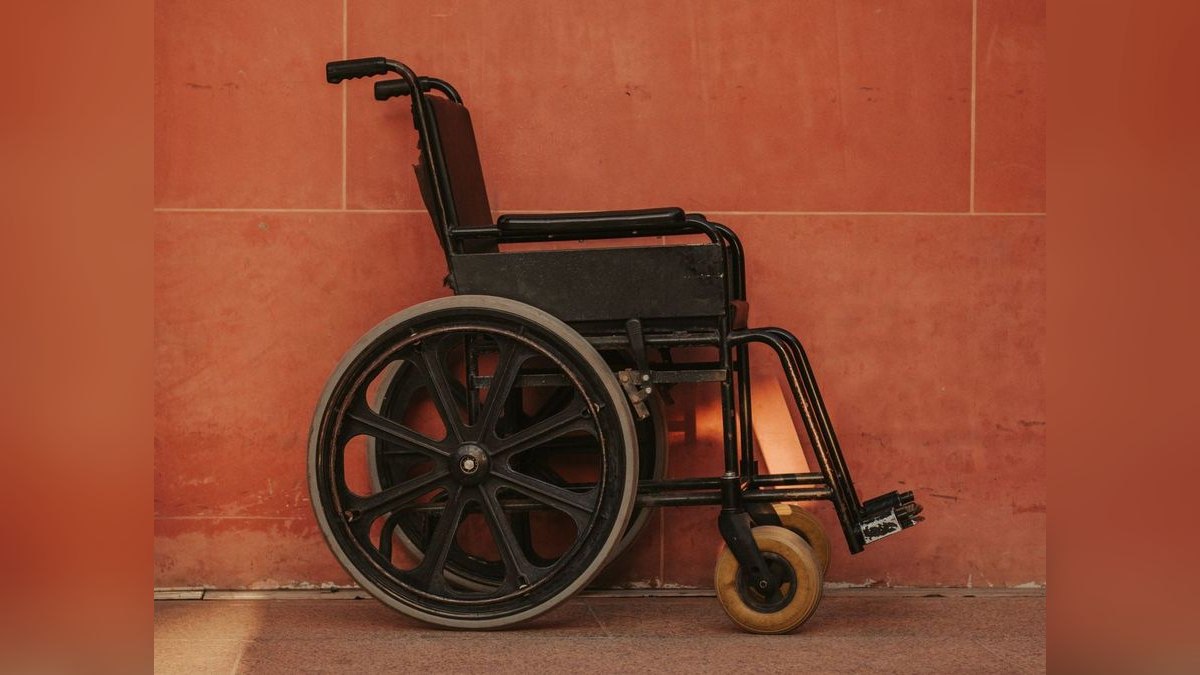
The three routes, side by side
Start by comparing these three options for your chair and journey, including the preparation and handling each involves.
| Parcel network | Courier | Take it with you | |
|---|---|---|---|
| Cost | Get a quote for the packed box | Eco/Flexible examples below | Up to two mobility items free on covered flights, subject to requirements |
| Manual folding chair | Check packed limits and acceptance | Describe the chair and access | Check vehicle or airline arrangements |
| Electric wheelchair | Check size, weight and battery acceptance | Confirm model and battery preparation | Airline or vehicle rules apply |
| Powerchair over 80kg | Check specialist acceptance | Suitable loading help and equipment needed | Check capacity and handling |
| Preparation | Carrier-approved protective box | Suitable protection agreed before collection | Follow the transport provider’s instructions |
| Handling | May pass through sorting depots | With Porta: collecting driver handles delivery without depot sorting | Ask how the chair is loaded and returned |
Porta Eco/Flexible examples for one chair and one driver, with flexible collection days: manual wheelchair £59 at 30 miles or £111 at 200 miles; powerchair over 80kg £86 or £195. Get the current total for your route and selected help.
When a parcel network genuinely works
A folding wheelchair may suit a parcel service when the complete protected box meets its limits and the carrier accepts the contents. Follow the chair manufacturer’s disassembly instructions and the carrier’s packaging requirements. Confirm the delivery window and what cover applies.
Measure and weigh the packed box before requesting a price. Protect projecting parts and check exclusions as well as the base charge. A quote for the wrong dimensions or contents does not establish acceptance.
When a collection service may suit
A heavy intact wheelchair, difficult access or a fixed handover may suit a collection service. Give the actual dimensions, weight and handling needs; powered chairs are not all alike. For example, Pride’s Jazzy Carbon Injection is a folding model.
Porta’s Eco/Flexible examples, requiring flexible collection days, are £59 at 30 miles and £111 at 200 miles for a manual chair, or £86 and £195 for the powerchair-over-80kg category. These are one-item, one-driver examples; include any carrying help needed in your current quote.
If someone relies on the chair daily, agree when it will be collected and delivered and how they will manage in between. Compare the actual schedule rather than assuming one type of service is always suitable.
Flying with a wheelchair
On covered UK and EU journeys, disabled passengers can take up to two items of mobility equipment without an additional baggage charge. The GOV.UK air passenger guide explains the right and the preparation needed for battery-powered aids.
Tell the airline the chair’s smallest ready-to-load dimensions, weight, battery type and handling instructions as early as possible. Confirm battery approval, removable-part arrangements and aircraft limitations. Photograph its condition and ask how and where it will be returned after the flight.
Preparing the chair for transport
Follow the chair manufacturer’s instructions and the carrier’s packaging requirements. Allow enough time to protect the chair properly rather than relying on a fixed packing time.
Use a suitable strong outer box with cushioning to prevent movement without pressing on delicate parts. Apply all labels required by the carrier, including any battery or handling labels; do not conceal required contents information.